Tag: elephant
-
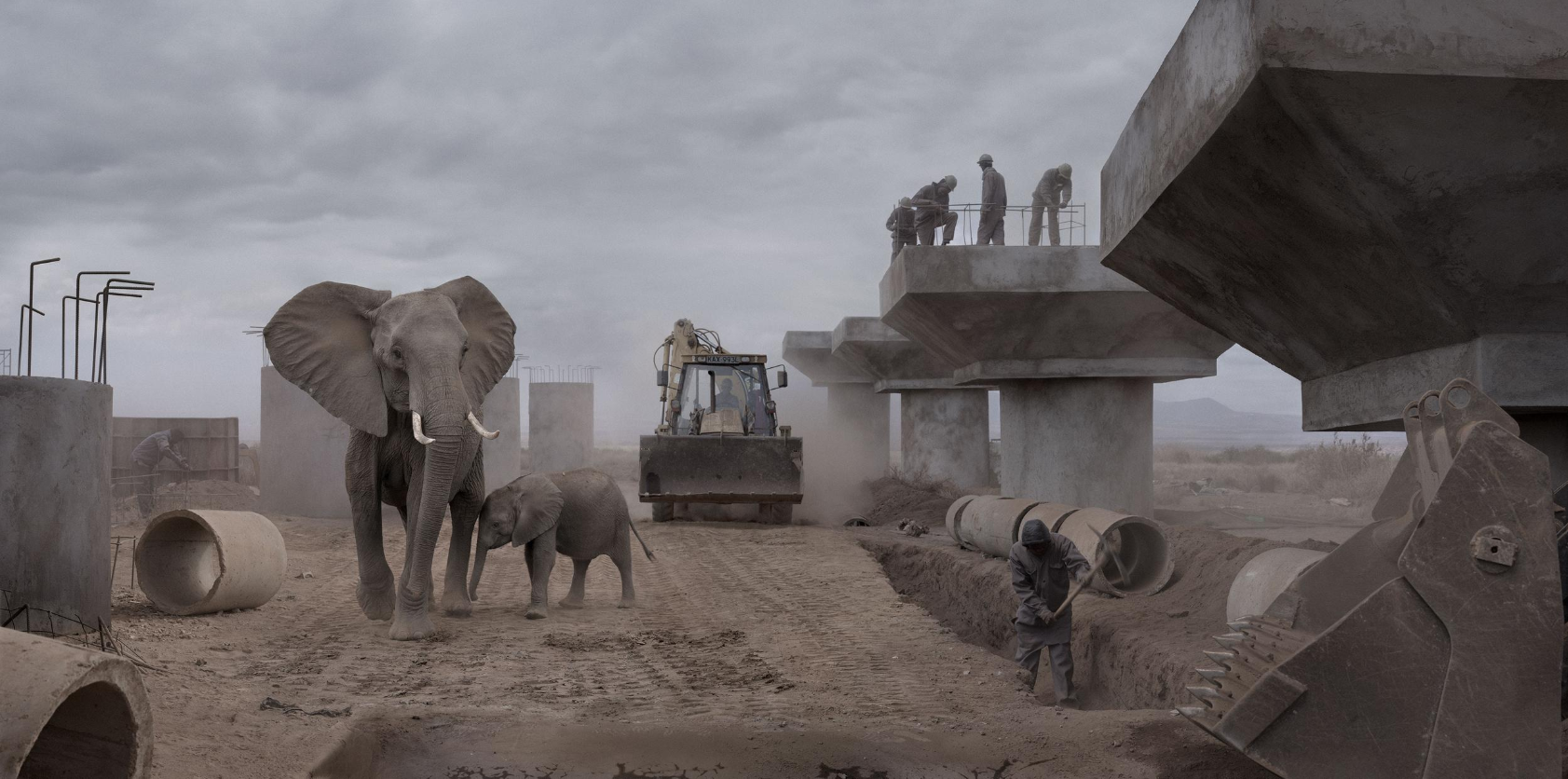
Photographing the human-animal conflict in Africa
Too many people still believe that the main cause of wildlife disappearance in Africa is poaching. But, in many countries (when they are sensitive to the issue, like in Eastern or Southern Africa), poaching has receeded significantly or even nearly dispapeared. And this is the continuous human expansion which become the engine driving wildlife extinction:…
-
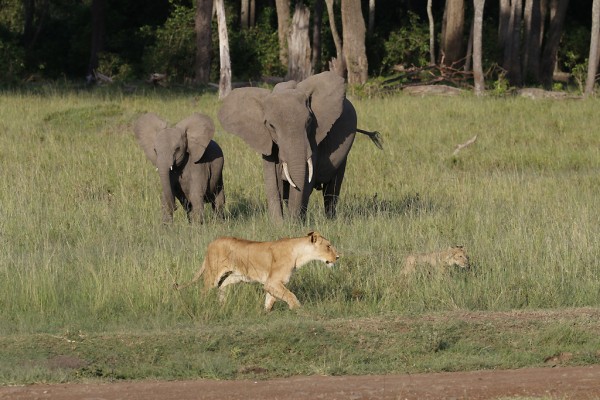
Baby elephants
We are only baby elephants, but we’re not even afraid of the kings of the jungle! African Bush Elephant (Loxodonta africana, Éléphant d’Afrique) Masai Mara National Park, Kenya April 2014 Lion (Panthera leo, Lion) Masai Mara National Park, Kenya April 2014
-
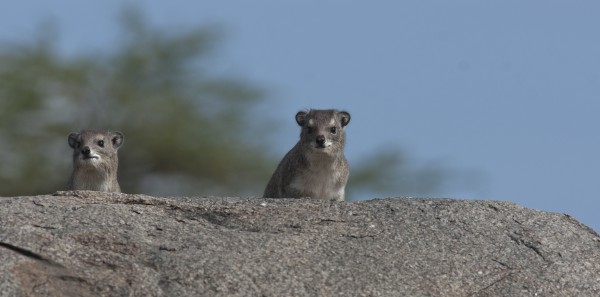
Rock hyrax
Did you know that the hyrax is considered as, genetically, the nearest parent to the elephants? One big elephant being a cousin of an animal just a little bigger than a mouse… Rock hyrax (Procavia capensis, Daman des rochers or daman du Cap) Seronera, Serengeti National Park, Tanzania, March 2013
-
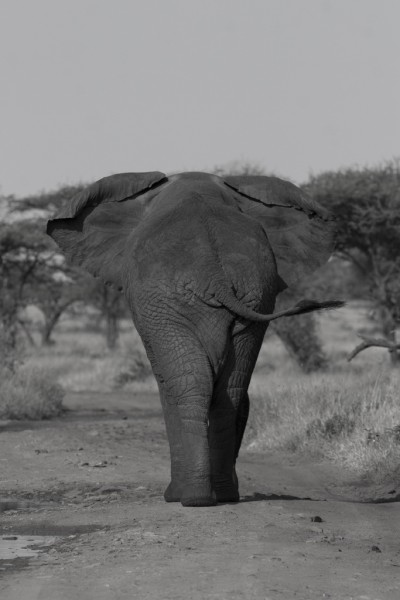
An elephant is going away
-
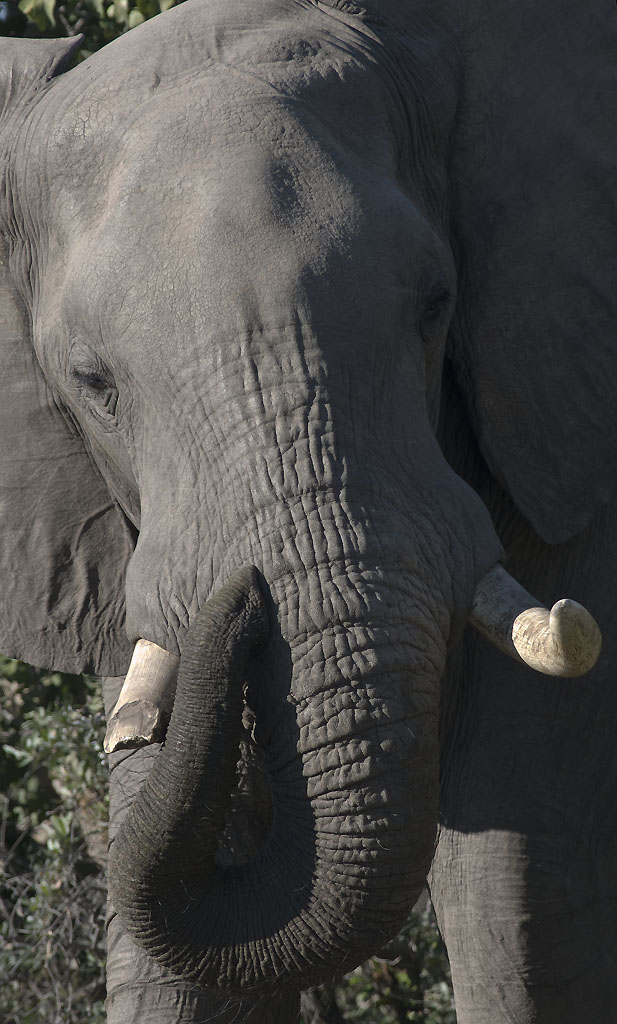
Elephants from Botswana
From my personal observation in Botswana, I would say that elephants are wild animals far from being calm and placid. They tend to frighten easily, to react promptly and to be willing to use their own power to force others to back quickly. These big mammals are very active and impressive: You don’t want to…
-
Drunk in the jungle
Did you know it? Marula is a kind of fig quite common in Sub-saharian Africa that is (too) much appreciated by elephants and many other animals. But when it get old and ripe, it starts fermenting quickly. Then, this worthless fruit should receive the warning label like “Drink responsibly” or “Don’t drink and drive”. YouTube…
-
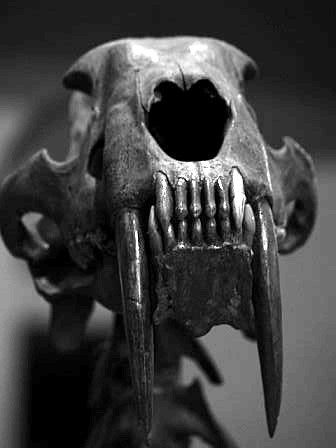
Jaws, on firm ground
Feline teeth are their most prominent exterior feature. Since the prehistoric Smilodon (the smiling feline) and its gigantic canines, big cats use their impressive dental characteristics to hunt. On the Laelaps web site, you will find a detaileld article on feline teeth, from yesterday to nowadays: What big teeth you have. Please, also notice the…
-
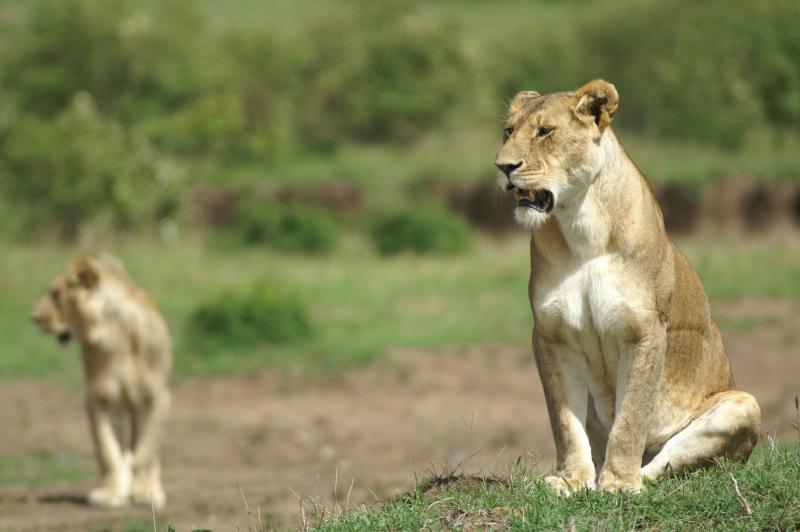
Cheetahs and elephants roaming free in USA
Yesterday, we were speaking here about prehistoric big cats in places where they disappeared (e.g. Europe). Today, I want to point at a surprising proposal made by Josh Donlan. Recognizing that many big cats were roaming in North America tens of thousands of years ago, he want to re-introduce lions, cheetahs, elephants and other large…
-
Elephants protection in Africa
Elephants are -generally speaking- a species endangered in Africa. They have been vigorously hunted for the ivory of their tusks (sometimes for the mere pleasure of hunting big game) and poaching is still intense of many African countries (from de 1.5 million animals in 1970, we are now down to around 500,000 pachyderms). The largest…