Technology opinions and digital photography
-
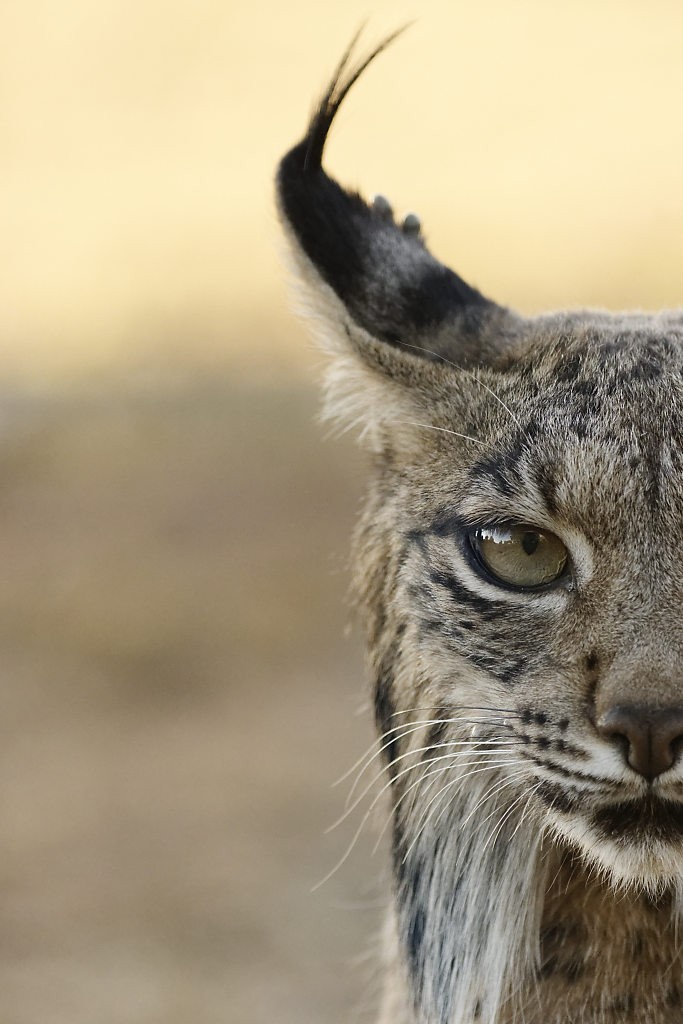
My best photographs
Here, on my blog, I run a continuous stream of many of my newest photographs, as soon as they are available. But if I also try to group all the pictures I am most proud of. Let’s meet on: Wild Focus This is the web site of my portfolios. There, you will see the subjects…
-
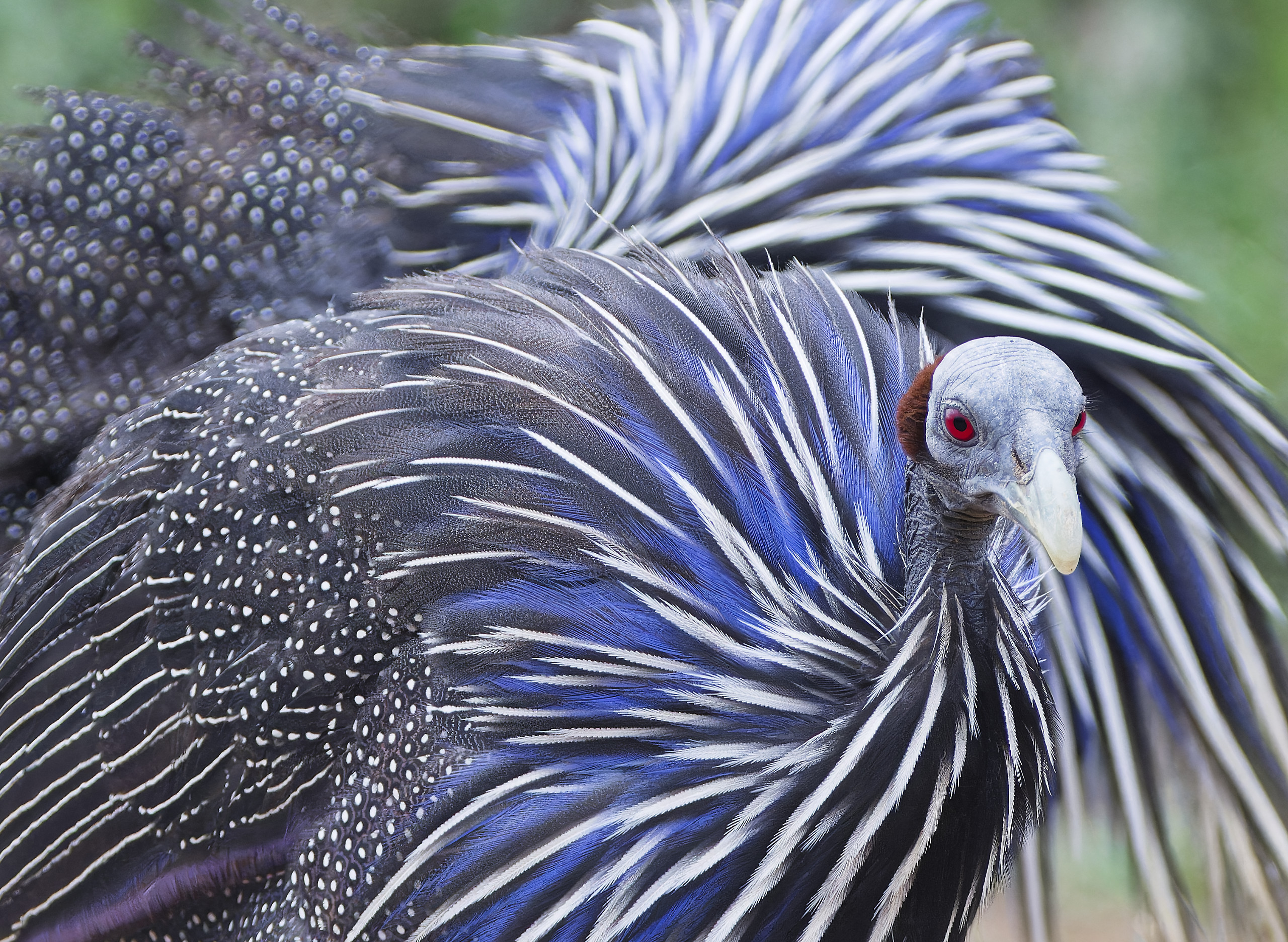
Vulturine guineafowl
Sure! We do know the guineafowl of our European countries. Looking a bit weird, sounding a bit weird, but common. What about a wilder, weirder beast?
-
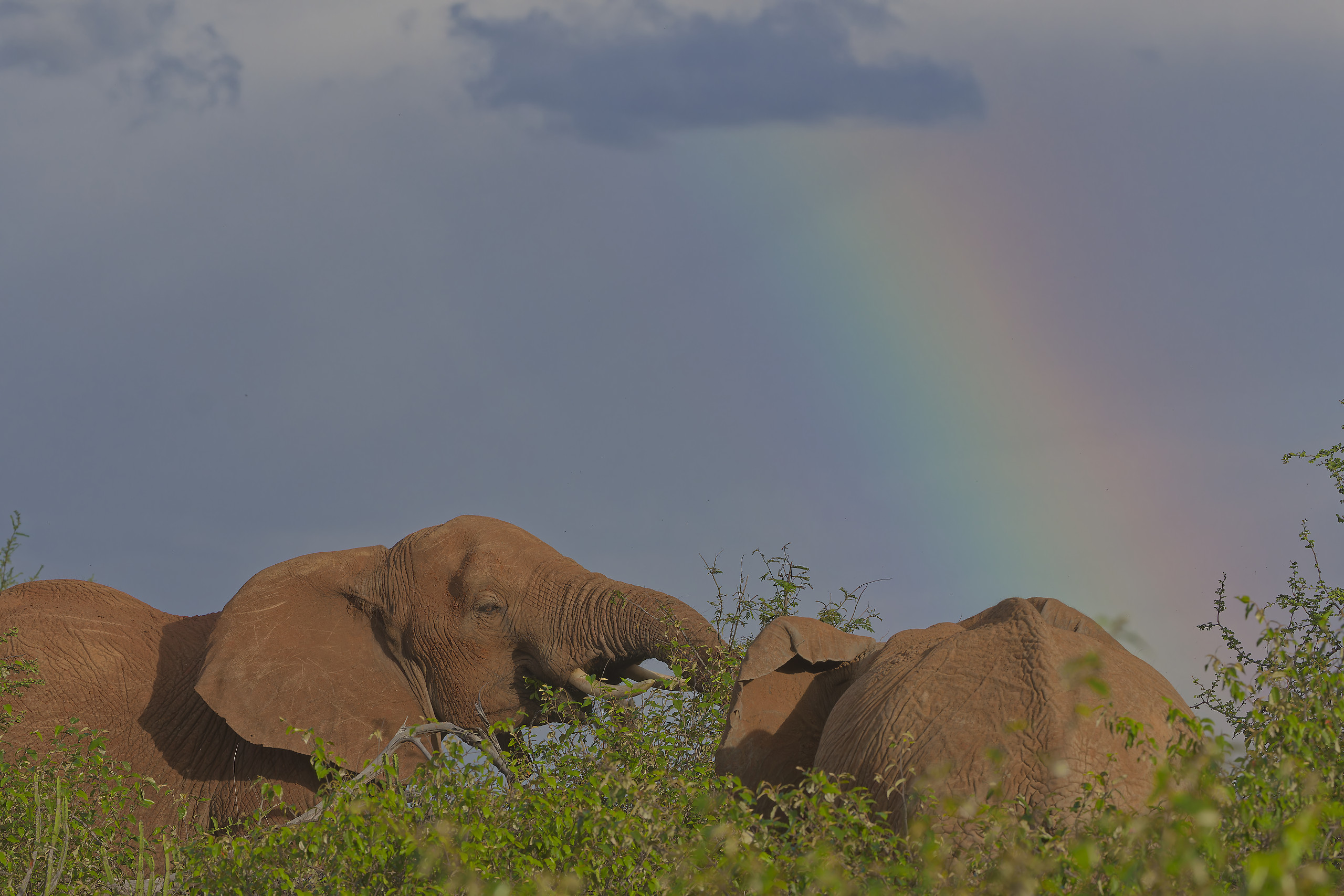
A few savannah elephants
Africa’s symbol, the savannah elephant, is always impressive. Meeting it gives you a personal experience of power, calm, and being out of time. But where is their future? Will we be able to protect them? They live as long as we do, they communicate in ways that we only start to recognize (not even understand…
-

AI prompt: First steps in German
For the last two years, I have been learning German. My background in English is probably helping me, but it still is a full-time job. I need to be thorough and maintain effort. So, I settled on a few tools to assist me. But I would like to share with you how I use Artificial…
-
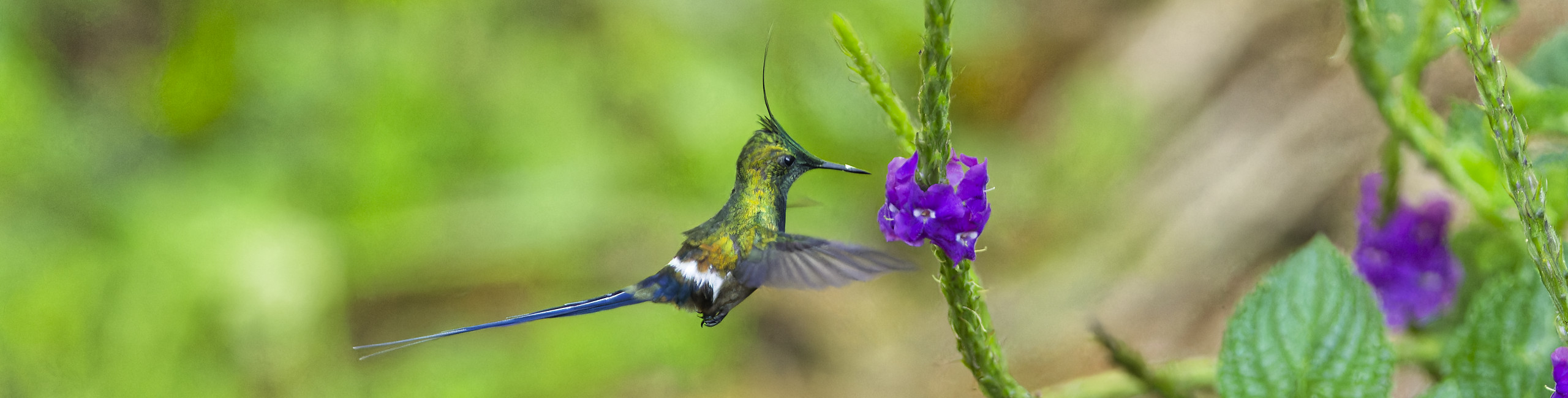
Wire-crested thorntail
I love coquette hummingbirds; they are all so nice (and strange) hummingbirds. But, here, I would like to present you with a member of this family whose English name retained the tail description, but isn’t it a surprising Extra-Terrestrial hummingbird with its double crest and deep green colors? Wire-crested thorntail, Coquette de Popelaire (Discosura popelairii)Peru,…
-
My other web sites
Some people asked where my other websites are. (Did you know that I publish several other personal blogs?) So, here is a condensed list: Wild Focus The portfolio of my best photographs YLoveBigCats Big cats are just amazing animals YLovePhoto Photo technique (and pictures from other photographers) YLoveIllusions Optical illusions 200gluten Life with coeliac disease
-
Hummingbirds from Peru
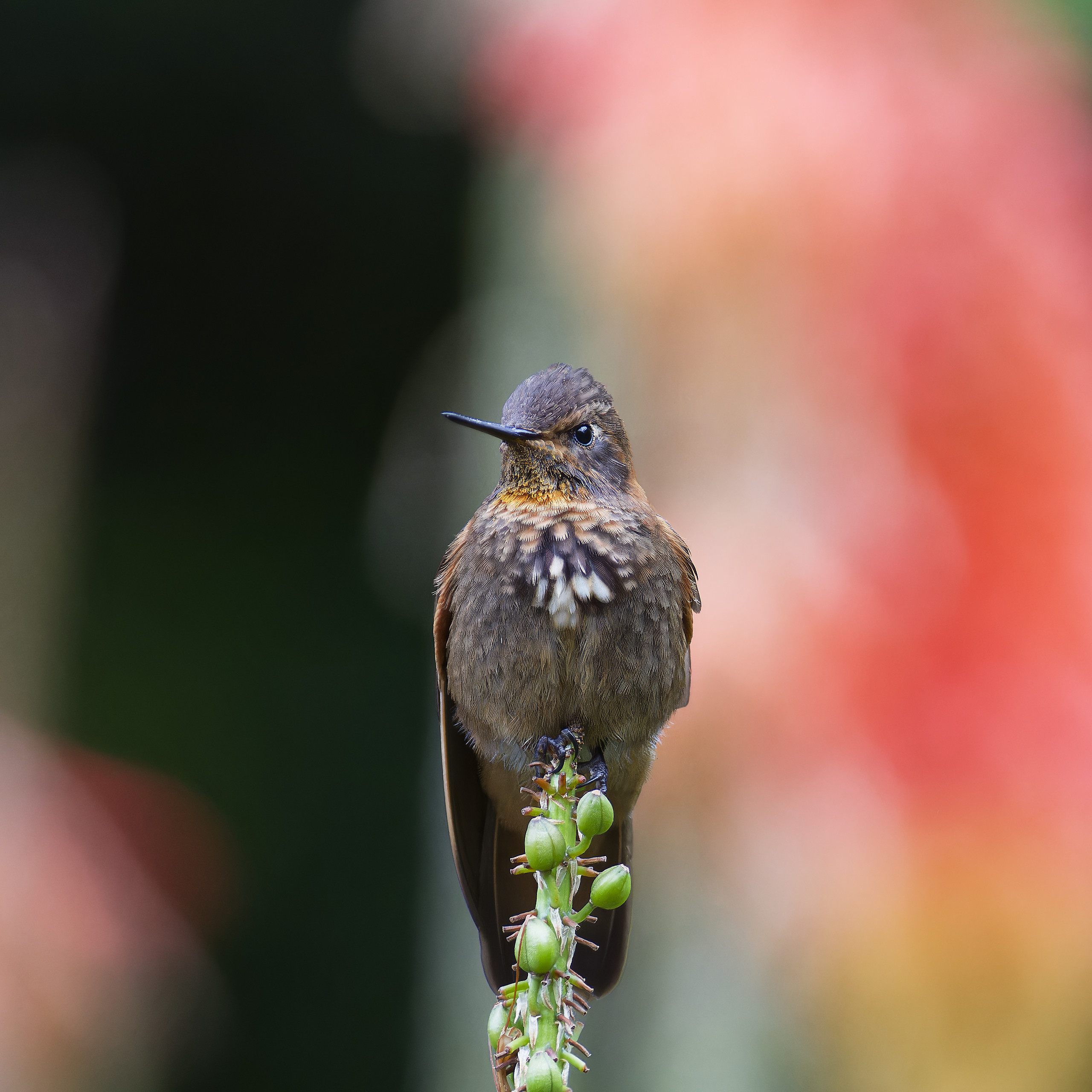
A few weeks in Peru, a few more hummingbirds. I’ll admit easily that catching some hummingbirds in Peru was more difficult than in Ecuador. Nevertheless, I was able to catch a few ones. I tried focusing on multiple birds in the same shot, this time. You’ll see if they are good enough.
-
Rufous-crested coquette
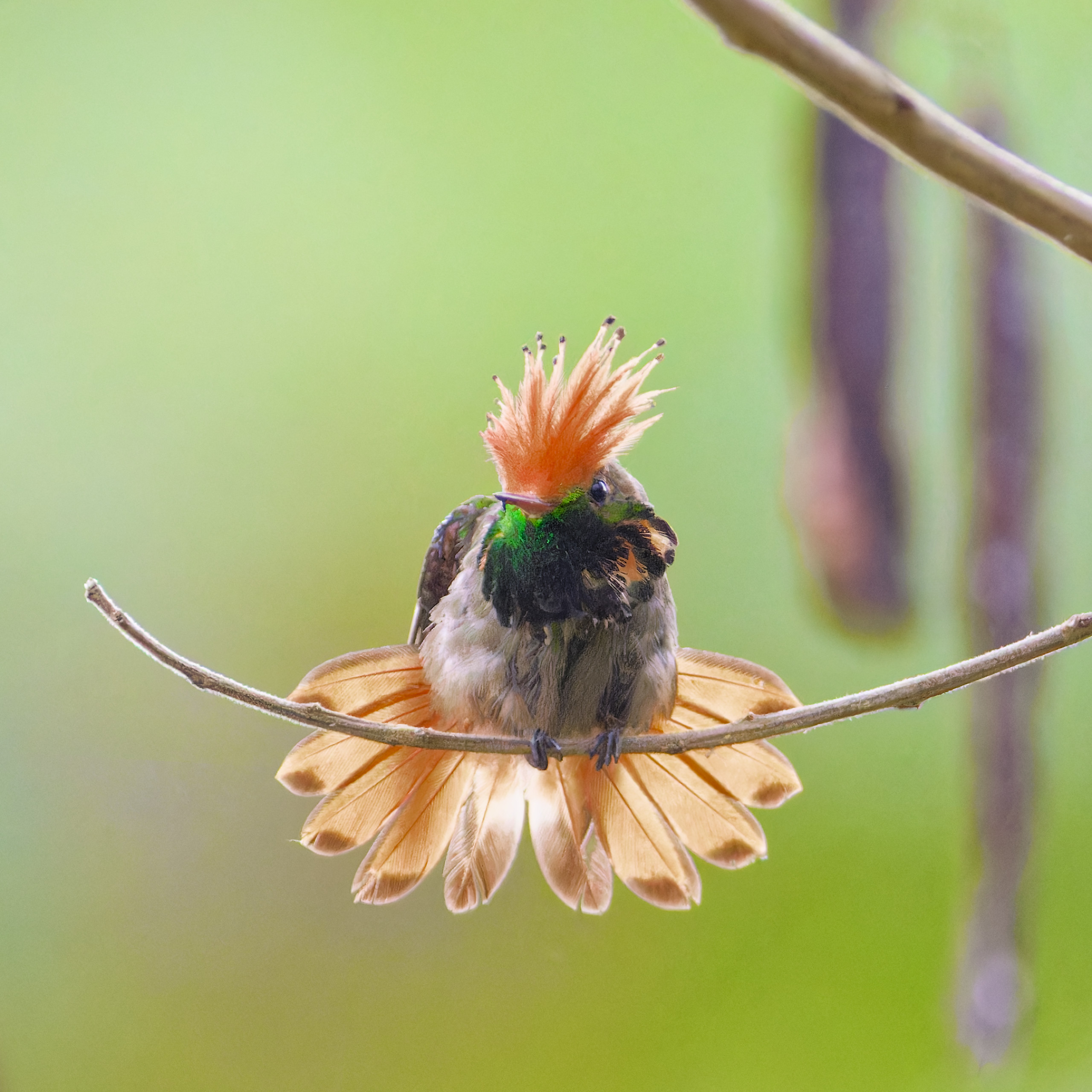
A fantastic male bird of only a few centimeters. Coquettes are all nice (and strange) hummingbirds; But they are so marvelous! Rufous-crested coquette, Coquette de Delattre (Lophornis delattrei)Peru, October 2024.
-
Ancient Mediterranean alphabets
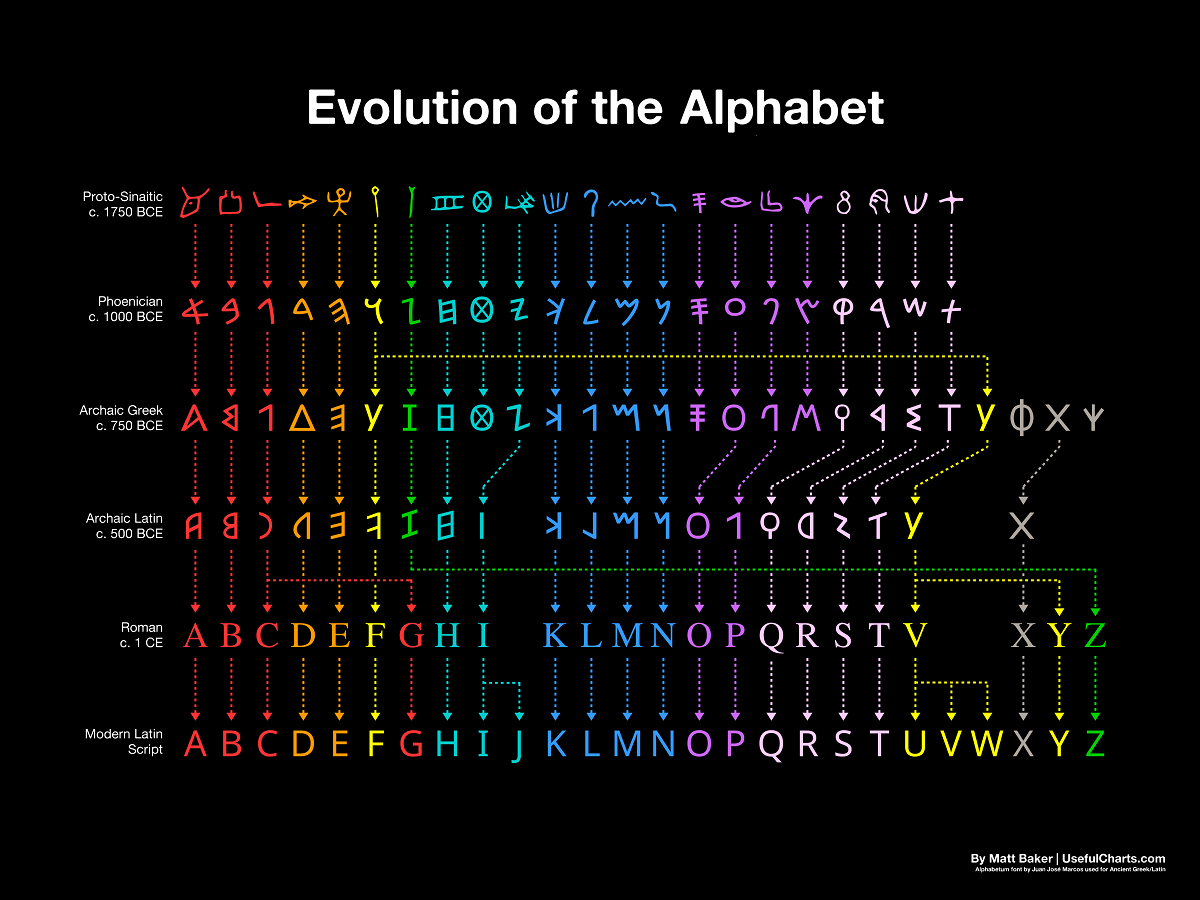
I have always been slightly fascinated by the way a language can move from oral tradition to a written system. Ancient civilizations developed some quite interesting alphabets (because we partially recognize or understand them). One of them appears to be well understood even today: The Greek alphabet evolved with technology around the Mediterranean sea. However,…
Copyright (C) 1999-2025 Yves Roumazeilles – All rights reserved