Category: Art
-
(Nearly) every Alfred Hitchcock cameo
You certainly knew that the great movie director, Alfred Hitchcock, was used to, first in order to reduce budgets, then merely for fun, keep one little cameo appearance in each of his movies, sometimes even a small role. An Internet user collected them all (nearly) in a single sequence. YouTube link
-
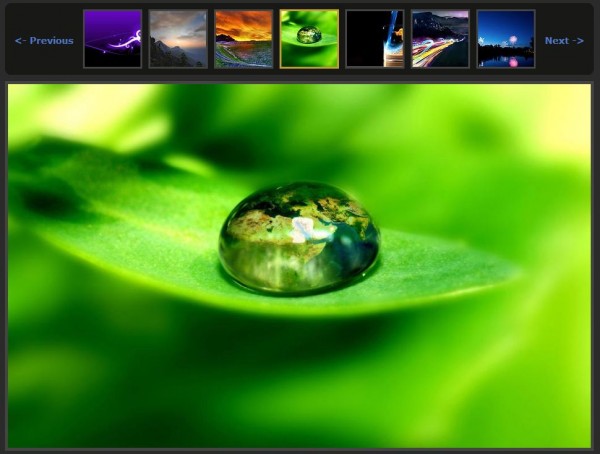
Colorful background pictures
A web site on which you will find a colorful collection of background pictures for your PC or your Mac: Imgur. Its only drawback is that you don’t know where the picture comes from, since they are uploaded by the users as they see them here or there.
-
The flight of the bumblebee
YouTube link And try not to admire the mimics of Malena Ernman, the singer.
-
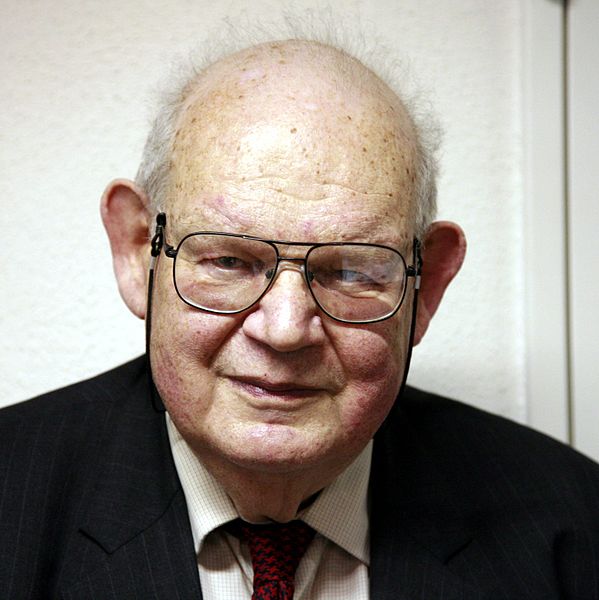
Benoît Mandelbrot, RIP
The creator of the fractal concept, Benoît Mandelbrot, just died. Born in Poland, the great mathematician had both French and American citizenship and inspired millions of mathematicians and artists. Rechercher des fractales sur Google.
-
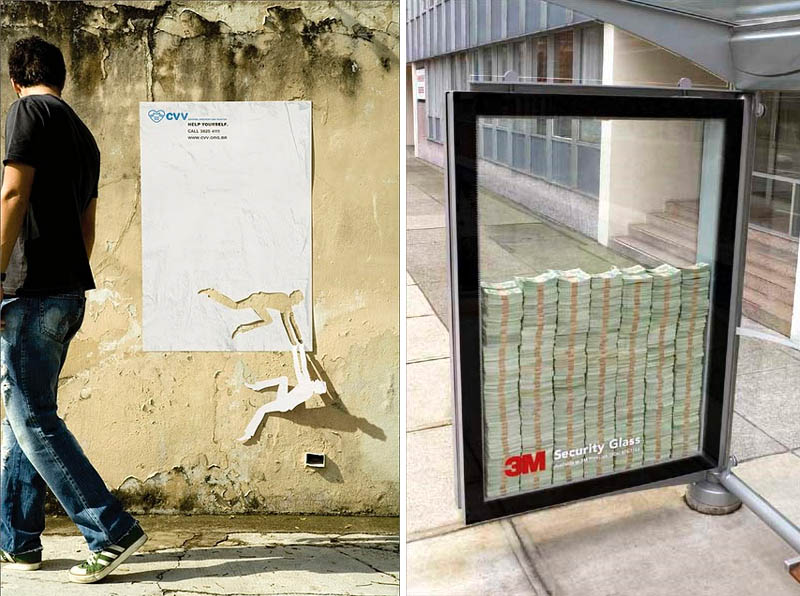
Advertising is also an art
-

Fruits and vegetables in hospital
Normally, Magnetic Resonance Imaging (MRI) is interesting only the physicists for its uses in scientific research and the physicians for the fabulous pictures it gives of the insides of the human body. An MRI scanner will allow to display fine cuts of the body of the patient laid into the machine, but what is to…
-
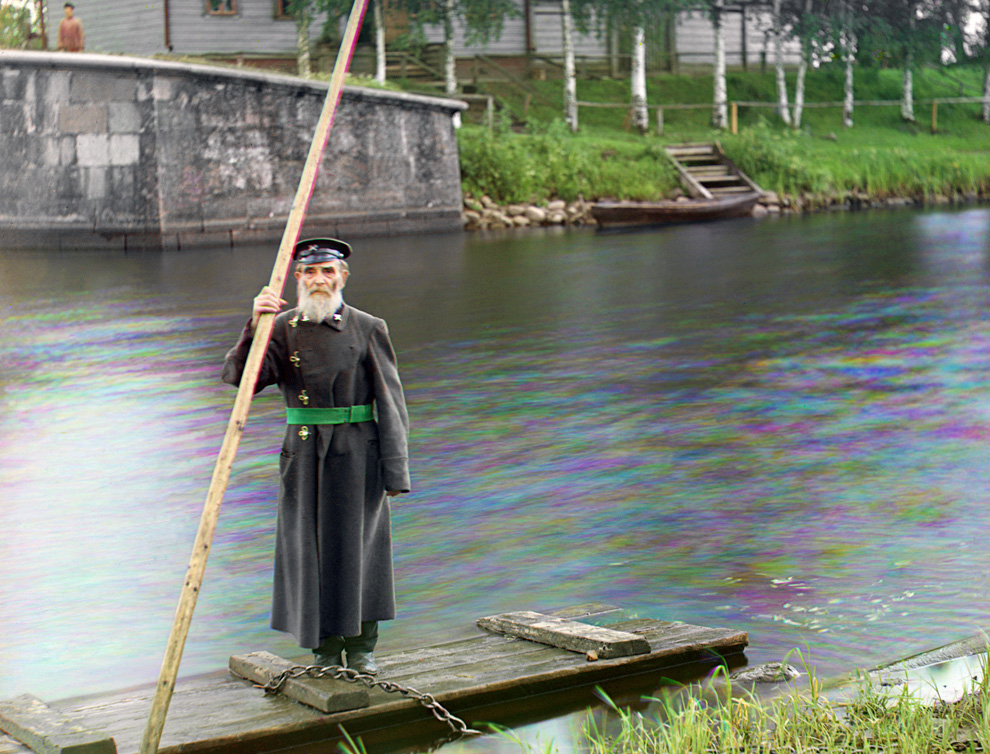
1910 Russia – Photos
These pictures of Russia are color photos taken a few years before the October REvolution. A memory of a far era and of a society which has been deeply transformed in the following years. Big Picture – Russia in color a century ago.
-
O Magnum Mysterium, Morten Lauridsen
Found by chance alone, I wanted to let you immerse into it. YouTube link
-
Guitar playing in Botswana
Who said there was only one way to play the guitar? You Tube link The guitar player, Ronnie Moipolai, lives in Kopong a village 50 km North of Gaborone, Botswana’s capital.