Category: Security
-
Videos (more or less) about cars
Rather than using electricity to power a car, here is a prototype using Coke Zero and Mentos. YouTube link But, when you’ve been using so much coke, you need to clean your car. Just don’t try to do it the same way as… Two guys vs. a car wash spray hose
-
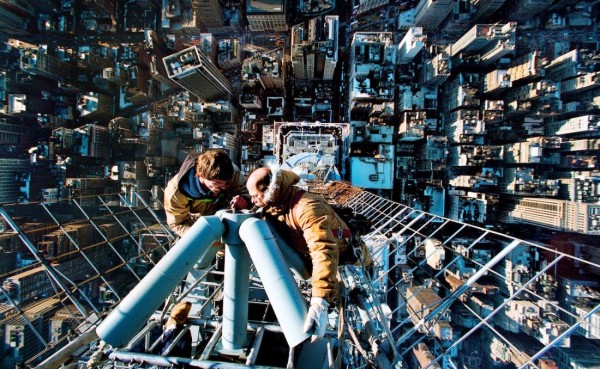
Don’t look down
This is what it looks like when you’re fixing a radio antenna on top of the Empire State Building in New York City. I sure does not look like it’s easy not to fall down.
-
Would you drive down this road?
YouTube link
-
Test of an F-35 ejection seat
The F-35 is an American figter aircaaft. For this kind of product, you must thoroughly test the ejector seat which may save the life of its pilots later. Here is how it’s done before you get a full aircraft available for a crash test (kinda expensive to loose an F35 for a test). YouTube link…
-
Police brutality has no limit
But beware! In the following video, you will witness extremely troubling and grave facts and behaviours: a policeman having fun normal people having fun with the policeman road users not taking the policeman seriously several abuses of authority (including forms of sexual harassment) several failures to comply All these crimes and misdemeanors are happening in…
-
A Great Sword is better than cosplay
Sometimes in cosplay (costumed play), you will use a beautiful two-handed sword. Butit will most probably be built from light and soft material in order to limit the risk of useless accidents. Forget all that and move to real middle-aged battle league: Use a two-handed Great Sword made of true good steel. To be sure…
-
Testing Boeing 747-8F brakes
YouTube link It ends with 5 minutes of cooling down for the brakes. If you want to see why and to have a better detailed view of it, look into it on a similar Airbus A380 brake test.
-
3 Berkeley Lab radiation experts about Fukushima
This is an exceptionally precise and understandable presentation of the knowledge amassed about the Fukushima dramatic events since 11th March 2011. On April 17, 2011, Robert Budnitz, Ed Morse and Tom McKone discussed Japan’s nuclear crisis. I recommend their comments (including the web sites they list in the end of the presentation). YouTube link Listed…
-
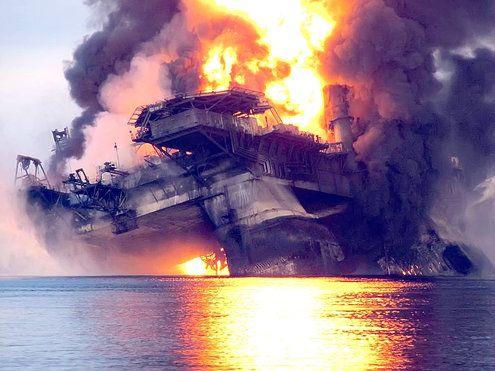
Deepwater Horizon: Ashamed? Oh no!
You may not remember the name of Transocean Ltd. But you remember the fate of one of their properties: They owned the Deepwater Horizon oil rig when it exploded in the Gulf of Mexico last year. The presidential commission that investigated the accident concluded that BP, Haliburton and Transocean where guilty of taking too many…